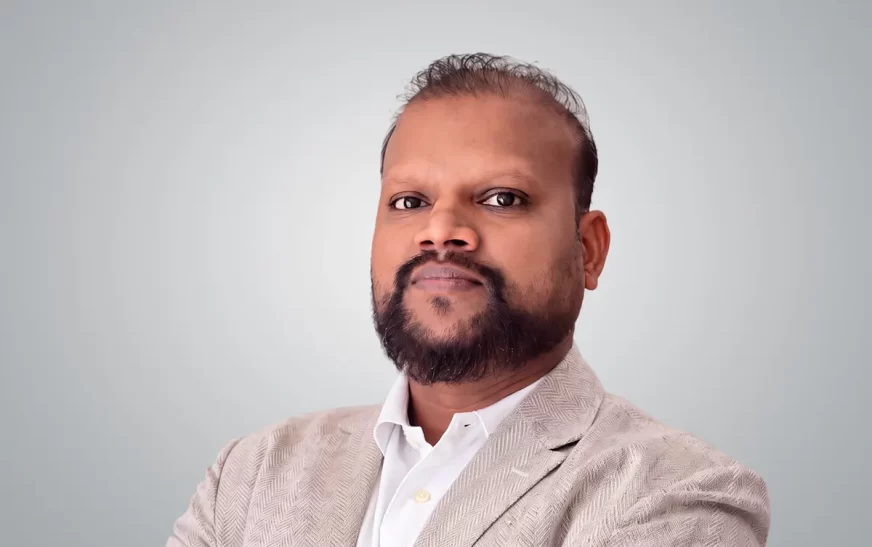
Making Technology The Heartbeat Of Business Transformation
ZAFAR KHAN
Group Chief Information and Technology officer
Wallan Group
As IT takes centre stage in driving modern businesses, the role of the CTO has undergone a profound shift. Today, they are more than Technology Officers—they are Transformation Officers, combining strategic vision with technological expertise to create new avenues for growth.
Zafar Khan, the Group Chief Information and Technology Officer at Wallan Group is a perfect example of this transformative leadership. With over 30 years of experience across automotive, healthcare, manufacturing, and retail industries, Khan has earned a reputation for reimagining what technology can accomplish. Now at the helm of Wallan Group’s technology and innovation strategies, he’s leading a transformation that extends beyond the digital realm.
“Real transformation isn’t just about technology—it’s about understanding people, refining processes, and harnessing technology to unleash their true potential,”
This principle has guided his career, shaping his approach to solving challenges and delivering results. Whether leading large-scale SAP implementations for Fortune 500 companies or streamlining operations across diverse industries, Khan has consistently demonstrated an ability to turn complexity into opportunity.
At Wallan Group, one of Saudi Arabia’s most diversified conglomerates, Khan is helping shape the future of industries ranging from automotive and aviation to real estate and investments. His approach isn’t limited to adopting cutting-edge technology; he’s cultivating a digital-first mindset that emphasizes e-commerce growth, data-informed decision-making, and outstanding customer experiences. Known for simplifying complex systems into practical strategies, Khan has championed initiatives like reducing costs, creating paperless workflows, and aligning IT with broader business goals.
In this exclusive feature for TradeFlock, Zafar Khan shares the lessons and insights that have defined his journey as a technology leader.
In what ways has your experience across diverse industries influenced your IT leadership?
Every industry tells a different story, and leading IT across automobiles, healthcare, manufacturing, and retail has made me a storyteller who connects technology to business. This journey has taught me to decode diverse business challenges, align IT strategies with unique goals, and adapt quickly to new landscapes. By blending best practices from one field into another—like using automation insights from manufacturing to enhance retail efficiency—I’ve learned to innovate beyond boundaries. Above all, working on both sides of the table has given me a balanced perspective, enabling me to deliver IT solutions that truly drive value and growth.
Reflecting on your recent undertakings, what’s been the most complex IT issue you’ve resolved?
Given the diversity and geographic presence, leading large companies to a paperless environment was a defining challenge. The real test was managing the shift in mindset across teams used to traditional working methods. I focused on creating small, impactful milestones that demonstrated immediate value, gradually easing the organization into the transformation. This step-by-step approach ensured progress while keeping the team engaged and motivated.
What strategies have you used to elevate IT from a support role to a growth enabler at Wallan Group?
IT’s role isn’t just to support—it’s to lead. At Bahwan International and Wallan Group, I embedded this belief into our strategy by driving digital transformation, fostering collaboration, and enhancing agility. One approach that stood out was implementing advanced process automation before RPA gained traction, giving us a clear competitive edge. The pandemic tested our strategies, and we thrived, proving the old adage true: ‘Success is where preparation and opportunity meet.’
Can you share a bold technological decision you made and its impact?
Sometimes, tough times force the boldest decisions. During a financial crunch, I had to keep multi-country operations running on outdated Data Centre equipment no longer supported. As they say, ‘Necessity is the mother of invention.’ My team and I devised innovative solutions to mitigate risks and keep things afloat. It was a nerve-wracking experience, but it taught me the true value of creativity and resilience under pressure.
From Mainframe to AI, my legacy as a technology leader is about embracing evolution, driving innovation, and navigating the balance between potential and responsibility.
Adapting IT strategies to various geographies and sectors can be challenging—how do you tackle this?
Adaptability is my superpower in IT leadership. Moving from discrete automobile manufacturing to paper and chemical process manufacturing taught me that no two industries—or geographies—are the same. Each brings unique needs, risks, and challenges.
As the saying goes, ‘Adaptability is about the powerful difference between adapting to cope and to win.’ I’ve embraced this by tailoring IT strategies to align with specific business goals, navigating diverse cultural and technological landscapes, and ensuring every decision drives meaningful impact. This adaptability lets me turn challenges into opportunities, regardless of the vertical or geography.
When it comes to balancing legacy systems with new technology, how do you make critical decisions?
Navigating the clash between legacy systems and modern technology is a journey I know well. In one instance, transitioning a large organization from mainframes to cutting-edge ERP systems required careful planning, clear communication, and strong leadership. Sensitive challenges like change management and staff training were tackled head-on, with decisive support from the top ensuring alignment. It’s about crafting a strategy that respects the past while embracing the future.
Encouraging innovation while managing daily pressures isn’t easy—how do you achieve it?
Innovation starts with breaking free from the routine. I encourage my team to face challenges head-on and think creatively about solutions. By sharing my own ideas to spark inspiration and fostering a safe space for collaboration and risk-taking, I ensure they feel empowered to innovate. Celebrating their successes keeps the energy alive, even amidst daily pressures.
What keeps you balanced and inspired while managing the demands of a CITO role?
Being a CITO demands discipline and clear boundaries. I’ve postponed personal milestones, like marriage, for critical projects and took only four sick days in eight years with a Middle Eastern conglomerate. But I firmly believe in recharging—family holidays and travelling twice a year keep me charged for new assignments. By empowering my team with trust and accountability, I ensure work thrives even when I step away.
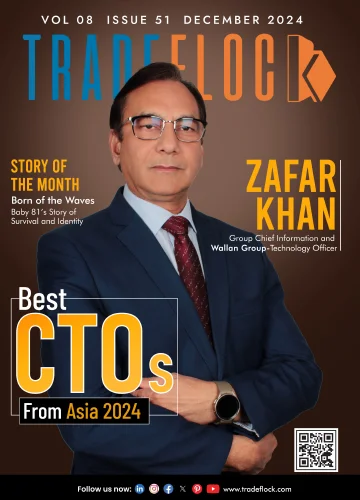
Featured Magazine -
All Magazines -



Success Insights
Ravindranath Garaga-Best CXOs in Asia 2026
Dr Tharindu Samarajeewa-Asia’s 40 Under 40 2026