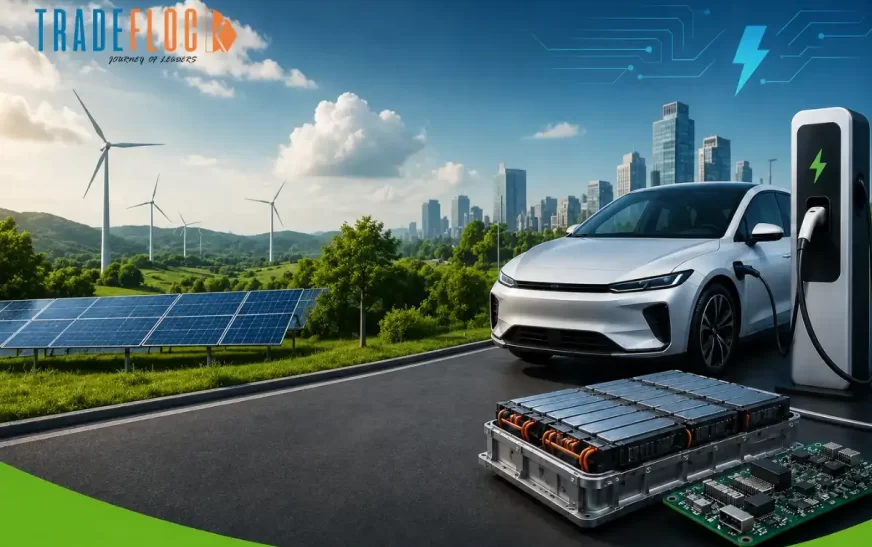
It is safe to say the automotive industry is changing at a rapid pace, and electric vehicles are leading that transformation. From electric cars to battery technology, today, companies are heavily investing in electric mobility. This ever-evolving EV ecosystem is creating exciting opportunities for professionals across multiple domains. The most prominent industries that are investing in electric vehicles are engineering, manufacturing, energy, and technology sectors.
As companies are in a rat race to build the next generation of electric vehicles, one challenge remains consistent, which needs to be addressed. It is finding a skilled and talented workforce that understands EV technologies. This has resulted in a rapidly growing demand for electric vehicle courses for students, engineers, and professionals seeking future-ready careers in the mobility sector. If you are looking to learn more about this electric vehicle course or how to apply for the same, go through this beginner-friendly guide.
What Is an Electric Vehicle Course?
An electric vehicle course is a specialised training program that helps learners understand the technologies that power modern electric vehicles. The program generally covers everything from battery systems to energy management.
What You’ll Typically Learn
- Battery Technology
- Battery Management Systems (BMS)
- Electric Powertrains
- Charging Infrastructure
- Power Electronics
- EV Diagnostics & Maintenance
Quick Tip: Enrol in an electric vehicle course in India that combines technical knowledge with practical applications. This helps learners understand how EVs function in real-world environments such as manufacturing, vehicle design, and EV charging infrastructure sectors.
You might also like: Why India’s EV Startups Need a Sustainable Strategy, Not Just Speed
Why Is Demand for EV Professionals Growing?
The electric vehicle industry is experiencing rapid growth due to several major factors. Governments worldwide are introducing policies to encourage EV adoption, while manufacturers are investing heavily in electric mobility technologies. At the same time, advancements in battery technology and charging infrastructure are making EVs more accessible to consumers.
As the industry expands, demand for candidates who have completed an electric vehicle course continues to rise across the automotive and energy sectors. Some of the key drivers behind the industry’s growth include:
- Expansion of EV charging networks
- Increased focus on sustainability and carbon reduction
- Growth in battery manufacturing facilities
- Rising consumer demand for electric vehicles
- Continuous innovation in mobility technologies
Now organisations across various sectors are actively seeking professionals with EV-related skills. Industries are hiring EV talent at a rapid pace. These include the automotive manufacturing industry, battery technology companies, power management firms and EV charging infrastructure providers.
Skills You Can Gain With an EV Course
A quality electric vehicle course provides technical and industry-focused skills. These can be applied across multiple roles within the EV sector. A well-structured electric vehicle course often provides greater hands-on exposure through labs and workshops. Here are the technical and industry-relevant skill sets a good course should cover:
Battery Technology
You will learn how lithium-ion batteries operate, degrade, and impact vehicle performance.
Battery Management Systems (BMS)
Understand how EV batteries are monitored for safety, efficiency, and longevity.
EV Architecture
Study how electric motors, controllers, batteries, and software work together.
Charging Technologies
Explore AC/DC charging systems and charging infrastructure deployment.
Power Electronics
Understand the electronic systems responsible for energy conversion and management.
Beyond these technical concepts, there are some mandatory industry-relevant skills that a good EV course should cover. These involve:
- Problem-solving abilities
- Analytical thinking
- Project execution skills
- Technical documentation capabilities
- Industry-standard workflow understanding
These skills are valuable as the modern EV projects require collaboration between engineering, manufacturing, software, and energy management teams.
Career Opportunities After Completing an EV Course
The rapid growth in electric mobility has created diverse career opportunities for skilled professionals. After finishing the electric vehicle course, a fresher can explore roles across design, manufacturing, testing, and infrastructure development. Also, here is a list of popular career paths that will open doors to a wide range of opportunities.
| Job Role | Key Responsibility |
| EV Design Engineer | Develop and optimise EV systems |
| Battery Engineer | Improve battery performance, safety, and efficiency |
| BMS Engineer | Design and manage battery monitoring systems |
| Charging Infrastructure Specialist | Plan and deploy EV charging networks |
| EV Service Engineer | Diagnose and maintain electric vehicles |
If you are contemplating whether you should pursue an electric vehicle course in India, you should pursue it stress-free. Demand for skilled professionals is expected to remain strong in the coming years.
Is an Electric Vehicle Course Worth It in 2026?
Absolutely, an electric vehicle course is a valuable investment for individuals looking to build expertise in one of the fastest-growing sectors. As the EV ecosystem expands, organisations require professionals who understand battery systems, charging technologies, electric powertrains, and mobility solutions. A well-structured electric vehicle course can help learners develop practical knowledge, strengthen technical capabilities, and prepare for emerging career opportunities.