Prioritising People Over Politics
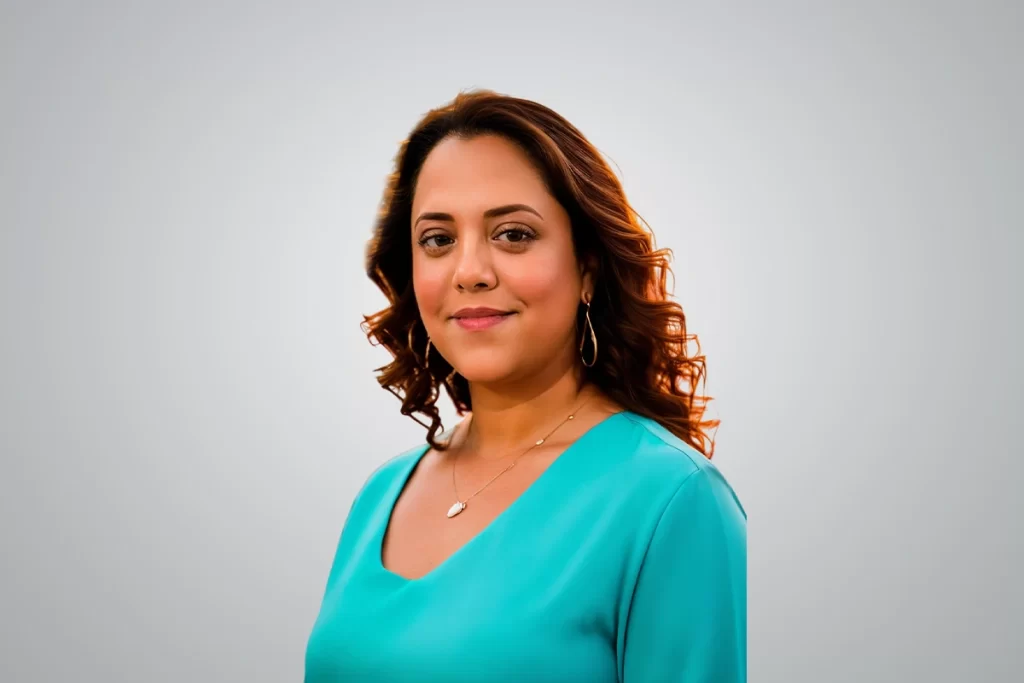
Tiffany Dorsey
Regional Human Resources Director
Pulcra Chemicals, LLC
Prioritising People Over Politics
Tiffany Dorsey
Regional Human Resources Director
Pulcra Chemicals, LLC
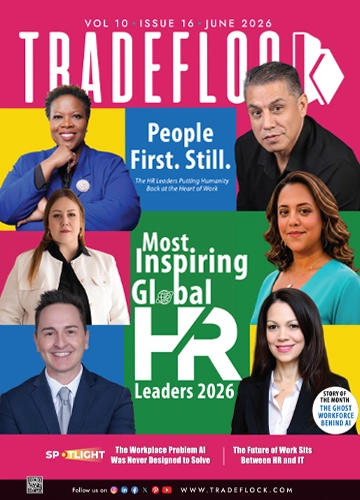
Tiffany Dorsey-Most Inspiring Global HR Leaders 2026
There are moments in an HR career that no job description prepares you for. Moments when protecting the integrity of a process matters more than managing internal politics, when escalating directly to the CEO becomes the only defensible choice, and when the outcome of getting it right is not celebration but the slow, difficult work of helping people relearn what a healthy workplace is supposed to feel like. Tiffany Dorsey, Regional Human Resources Director for the Americas and Global Organisational Development Manager at Pulcra Chemicals, has lived through those moments, and they have shaped far more than her approach to HR. They have shaped how she thinks about leadership itself.
Over more than two decades, Dorsey built her career at the intersection of employee relations, organisational development, leadership coaching, and global transformation, including harmonising HR frameworks across 13 countries and simultaneously holding leadership positions in the United States, Mexico, and Brazil. Each of those experiences reinforced the same conviction that now runs through everything she does. Competence and character are not the same thing, and the distance between them is where the most consequential people decisions get made.
In an exclusive conversation with TradeFlock, she spoke about the defining experiences, hard-earned lessons, and the unwavering belief that credibility, once lost, is the most difficult thing to recover in leadership.
Looking back on your HR journey, what have been some of the defining turning points, and how did they change the way you approach people leadership across different regions and cultures?
Moving from domestic HR roles into leadership positions spanning the United States, Mexico, and Brazil exposed a reality I was not fully prepared for. The technical side of HR transferred relatively easily. Employment practices, workforce planning, talent reviews, and employee relations all followed familiar principles. My assumptions did not.
Early in that transition, I found myself evaluating situations through a lens shaped by my own experiences. Over time, I realised I was asking the wrong question. Instead of wondering why people were not approaching issues the way I expected, I started asking what their approach revealed about what they valued. That shift changed the way I lead.
Operating across three countries meant navigating different legal systems, cultural norms, and employee expectations simultaneously. Trust looked different in every environment. In Brazil, relationships often needed to be established before meaningful business conversations could happen. In Mexico, hierarchy carried a level of significance that was deeply connected to respect. In the United States, employees generally expect directness, speed, and transparency.
Those experiences taught me that effective leadership is not about applying the same playbook everywhere. It requires curiosity, humility, and the willingness to adapt without compromising your principles. Today, whenever I walk into a new situation, my first instinct is not to lead with answers. It is about understanding what people need to feel respected, supported, and motivated. Everything else becomes easier once that foundation is in place.
“Power in the wrong hands causes compounding harm. Technical competence may get someone promoted, but character determines whether they should lead.”
As AI, automation, and changing employee expectations reshape the workplace globally, how do you see the role of HR leaders evolving in the years ahead? Which skills will become non-negotiable?
The HR profession is entering one of the most significant transitions in its history. Many of the administrative and transactional responsibilities that once consumed substantial time are already being automated, and that trend will only accelerate.
Ironically, technology is making the profession more human, not less.
As routine work becomes increasingly automated, the value of HR leaders will depend less on process execution and more on judgment. Data fluency will become essential because leaders must be able to interpret workforce trends, translate insights into business decisions, and credibly communicate their implications to executive teams. Change leadership will become equally important as organisations navigate a transformation that is often global, continuous, and deeply disruptive.
The capability I believe will become most valuable, however, is relational intelligence. Technology can process information at extraordinary speed. It cannot build trust, navigate conflict, understand emotion, or help people make sense of uncertainty. Those remain uniquely human responsibilities. The future HR leader will operate at the intersection of business strategy, workforce risk, organisational transformation, and human behaviour. Professionals who understand both the data and the people behind it will be the ones who create the greatest impact.
If you could leave one lesson for the next generation of HR leaders, what would it be, and what experience taught you that lesson?
Every HR professional eventually encounters a moment when doing the right thing carries a cost. It may create tension, slow a decision, challenge a senior leader, or place you in an uncomfortable position. Those moments define your reputation far more than any successful project or promotion.
One such experience came during a period of significant organisational change. There was considerable pressure to move forward with a workforce decision that raised concerns for me around fairness, process integrity, and the message it would send to employees already navigating uncertainty. Supporting the recommendation would have been easier. Few people would have challenged it.
Instead, I requested the opportunity to present my concerns, supported by facts, risks, and alternative approaches. The conversation was uncomfortable, but it created something far more valuable than agreement. It created trust.
Leadership teams do not need HR professionals who simply validate decisions. They need people who are willing to identify risks, challenge assumptions, and speak honestly when the situation requires it. Credibility is built in those moments. My advice to the next generation is simple. Protect your credibility relentlessly. Tell the truth with respect. Stand firm when integrity is at stake. Organisations can recover from mistakes, but recovering from a loss of trust is far more difficult.
“Your credibility is your most valuable professional asset. Once people trust you to tell the truth when it is difficult, every other aspect of leadership becomes stronger.”
Can you take us through one of the toughest employee-relations situations you have faced and what it taught you about people?
One experience from earlier in my career continues to shape how I think about leadership, accountability, and the responsibility that comes with authority.
A former employee contacted me after leaving one of our locations and described what appeared to be extensive sexual harassment originating from the site’s senior manager. The allegations were serious enough to warrant an immediate investigation. As interviews expanded to include current and former employees, a disturbing pattern emerged. The allegations were not only credible but also consistent across multiple accounts.
What made the situation particularly difficult was the complete absence of accountability from the manager involved. Despite overwhelming evidence, he genuinely did not believe his behaviour was inappropriate. At one point, there was resistance to suspending him while the investigation was underway. Protecting the integrity of the process became more important than navigating internal politics, so I escalated the matter directly to the CEO.
Eventually, the investigation resulted in termination. What happened afterwards left an even deeper impression on me. Employees had spent so long operating within a toxic environment that many no longer recognised it as abnormal. Harmful behaviour had become normalised. Rebuilding trust required time, consistency, and leaders who could demonstrate a different standard through their actions. The experience reinforced a lesson I have carried throughout my career. Power in the wrong hands causes compounding harm. Technical expertise may qualify someone for leadership, but character determines whether they should lead people. Since then, I have paid far closer attention to how leaders talk about accountability, authority, and the people who report to them. Those signals reveal far more than any résumé ever will.
Workplaces around the world are evolving rapidly. Which workforce trend do you believe will have the biggest impact over the next few years, and what strategies have worked best for you in preparing for it?
Many conversations about talent focus on shortages, but I believe the greater challenge is the widening gap between the skills organisations need and those they currently possess.
Business priorities are changing faster than traditional workforce planning models were designed to handle. Companies often spend enormous amounts of energy searching externally for capabilities they may already have internally, simply because they lack visibility into the potential sitting inside their workforce.
I saw this firsthand during the implementation of a global HRIS platform across thirteen countries. The technology itself was valuable, but the greater benefit came from what it allowed us to see. Instead of viewing employees as headcount, we could begin viewing the workforce as a portfolio of capabilities, experiences, and future potential. I would say that this perspective entirely changes the decision-making approach afterwards. Succession planning becomes more strategic, development investments become more targeted and internal mobility becomes more realistic.
Organisations that thrive over the next several years will not necessarily be the ones with the strongest recruiting functions. They will be the ones who treat learning as part of daily business operations and workforce development as a strategic investment rather than an HR initiative. Talent already exists inside many organisations. The challenge is learning how to recognise it before looking elsewhere.
All Magazines -
Success Insights

Ananya Sharma-Most Empowering Women Leaders to Watch in 2026