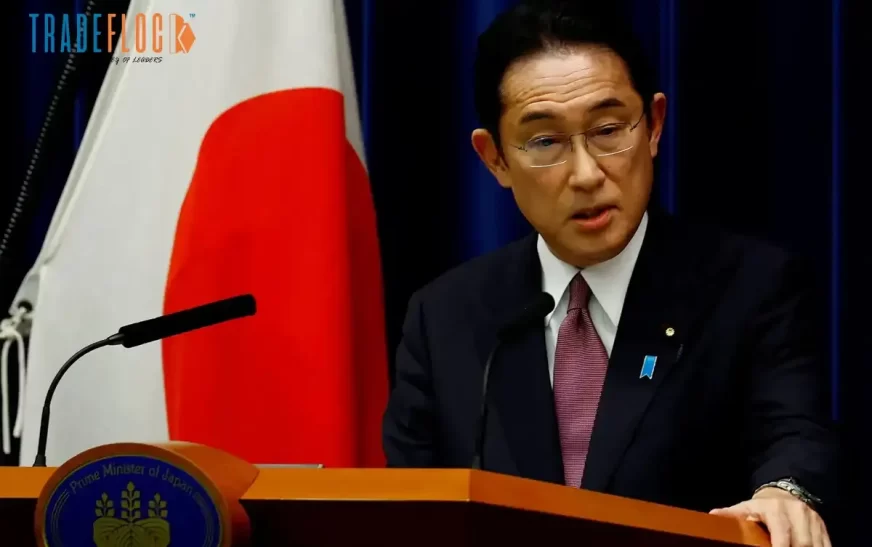
Japanese business executives are urging countries across Asia to pull together on energy-saving steps, because the rising tensions in the Middle East are making people worry about energy security. The comment shows up while there’s concern that the conflict still unfolding around Iran could shake up global oil and gas flows, which would mean higher energy costs and more economic uncertainty. Masami Iijima, who is the chairman of the Japan Foreign Trade Council, said that many Asian economies still rely heavily on imported energy, so they’re especially exposed if supplies are disrupted. He also said governments and companies should not just sit tight and wait for a crisis to worsen. Instead, they should concentrate on cutting energy use with better efficiency, stricter conservation, and all those practical improvements.
Oil prices are climbing, which brings new worries about inflation and economic growth, too, especially for countries that live mostly on imported fuel. Those higher costs hit factories, transport services, and family budgets. With the Middle East still uncertain, policymakers and businesses in Asia will probably keep watching market changes and be prepared for possible disruptions in global energy supplies. Some of the concerns are tied to how strategically critical the Strait of Hormuz really is. It’s a major shipping lane, where a large share of the world’s oil and liquefied natural gas moves through, more or less. If the shipping flow there gets interrupted, energy supplies across Asia could be affected quickly, including major importers like Japan, South Korea, China and India.
Read More: Tesla’s China-Made EVs Sales Surge in May
Masami Iijima noted that even if countries do have strategic petroleum reserves and emergency response options, long-term energy stability depends on broader coordination, not just reserves sitting there waiting. The warning also comes at a time when energy markets are already dealing with volatility driven by geopolitical tensions. Higher oil prices raise concerns about inflation and economic growth, particularly for states that depend heavily on imported fuel. When energy gets more expensive, industries, transportation, and everyday spending all feel it, which creates extra pressure on economic recovery. And since uncertainty in the Middle East remains, policymakers and businesses across Asia are expected to keep a close eye on the market.