Transforming Workplaces Through People-Centric HR Leadership
Meshref Dughaim Alshammary
Strategic & Transformational Leader
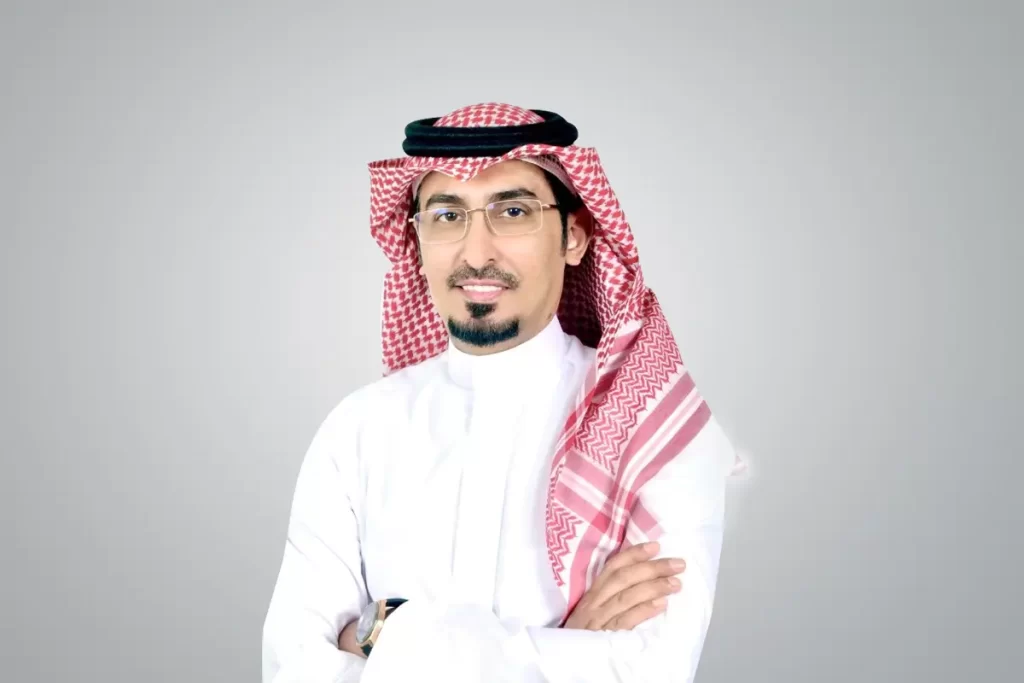
Transforming Workplaces Through People-Centric HR Leadership
Meshref Dughaim Alshammary
Strategic & Transformational Leader
Meshref Dughaim Alshammary-Best HR Leaders from Asia 2025
Meshref Alshammary believes that organisations rise or fall on the strength of their people. As an HR leader, he has spent over 15 years turning that belief into tangible impact, shaping workplaces where both individuals and businesses thrive. Educated in Human Resources Management and Employment Relations at Auckland University of Technology in New Zealand, Meshref returned to Saudi Arabia with a vision: to blend global HR practices with local organisational realities, ensuring that people strategies drive sustainable growth. His career spans a diverse array of industries, including manufacturing, FMCG, retail, services, agriculture and real estate, providing him with a unique perspective on workforce challenges and cultural transformation. During his early experience, Meshref led workforce development and employee engagement initiatives, cemented his belief in the power of inclusive, people-centric strategies. Later, as an HR Director, managing over 12,000 employees, he demonstrated how data-driven insights can align human capital with organisational goals, creating high-performing, agile teams. His leadership journey further expanded at a Public Investment Fund (PIF) Subsidiaries, wherehe spearheaded strategic HR transformation for more than 14,000 employees. Throughout, Meshref has consistently balanced analytics with empathy, proving that HR is more than processes. It is about purpose, connection, and growth. For Meshref, every empowered employee and every motivated team is a testament to the transformative power of thoughtful, strategic human resources and a reminder that people are at the heart of every organisational success story. Speaking with TradeFlock, Meshref shares his winning strategies and work.
What's been the biggest challenge in leading HR, and how did you overcome it?
One of the most significant challenges I’ve faced as an HR leader has been driving cultural transformation during periods of rapid growth. It’s never just about restructuring teams or upgrading systems—it’s about transforming mindsets. In large, multi-sector organisations with diverse workforces and entrenched practices, change can feel uncomfortable. My goal was to shift from a traditional, processdriven HR model to a strategic, performancebased, people-centric culture. I focused on three priorities. First, communication and transparency—ensuring employees understood the “why” behind every change. Second, empowering leaders through workshops that equipped managers with modern people-management tools, enabling them to inspire teams. Third, data-driven transformation—introducing a digital HRMS to centralise processes, increase transparency, and enable faster, smarter decisions. These efforts stabilised the organisation, fostered engagement, and built a culture rooted in agility and performance. I learnt that true transformation begins with people, not systems, and succeeds when they feel included, heard, and inspired.
What stands out as a major milestone in your HR journey, perhaps something tied to building teams or advancing Vision 2030 goals?
One of my proudest milestones has been building high-performing teams anchored in core competencies, shared values, and empowerment. Across the organisations I worked for, I led the design and implementation of a competency-based HR framework, aligning every aspect of talent management—from recruitment to performance evaluation—with clearly defined behavioural and technical competencies. We reinforced this with strong team norms and empowerment initiatives, encouraging collaboration, accountability, innovation, and effective communication at all levels. Employees were given autonomy to make decisions,contribute ideas, and take ownership of their roles, creating a true sense of belonging and purpose. This approach not only improved performance but also built a culture of trust, pride, and shared responsibility, proving that teams thrive when people feel empowered to grow and lead.
"For me, success in HR is far more than metrics or performance indicators—it’s about creating meaningful, lasting impact on people’s lives while contributing to the broader vision of national progress.”
What's one achievement you're most proud of in terms of talent development or organisational growth?
One of my most rewarding achievements is the creation of the “Future Leaders Programme”, designed to nurture a new generation of adaptable, high-potential leaders. The programme combined structured career paths, targeted leadership training, and practical development projects, enabling employees to grow professionally and personally while aligning their ambitions with the organisation’s long-term vision. What makes it particularly meaningful is its alignment with Saudi Arabia’s Vision 2030—building capabilities, fostering knowledge transfer, and preparing citizens to thrive in a rapidly evolving labour market. Beyond strengthening our internal leadership pipeline, it cultivated a culture of continuous learning, empowerment, and excellence, turning talented individuals into confident leaders who drive sustainable organisational growth.
As an HR leader, what does success beyond numbers look like?
For me, success in HR is far more than metrics or performance indicators—it’s about creating meaningful, lasting impact on people’s lives while contributing to the broader vision of national progress. True fulfilment comes when an employee who once doubted their potential grows into a confident leader, inspiring teams, uplifting families, and influencing communities. On a national level, success means supporting Saudi Arabia’s Vision 2030 by developing skilled, empowered talent, fostering inclusion, and driving innovation across workplaces. Every programme or initiative that equips employees to grow, take ownership, and make a difference reinforces the idea that HR is not just a function—it is a force for transformation, enabling individuals and organisations to thrive while shaping a stronger, more ambitious nation.
All Magazines -

Success Insights
Ravindranath Garaga-Best CXOs in Asia 2026
Dr Tharindu Samarajeewa-Asia’s 40 Under 40 2026