The Visionary Powering Sri Lanka's Mobility Transformation
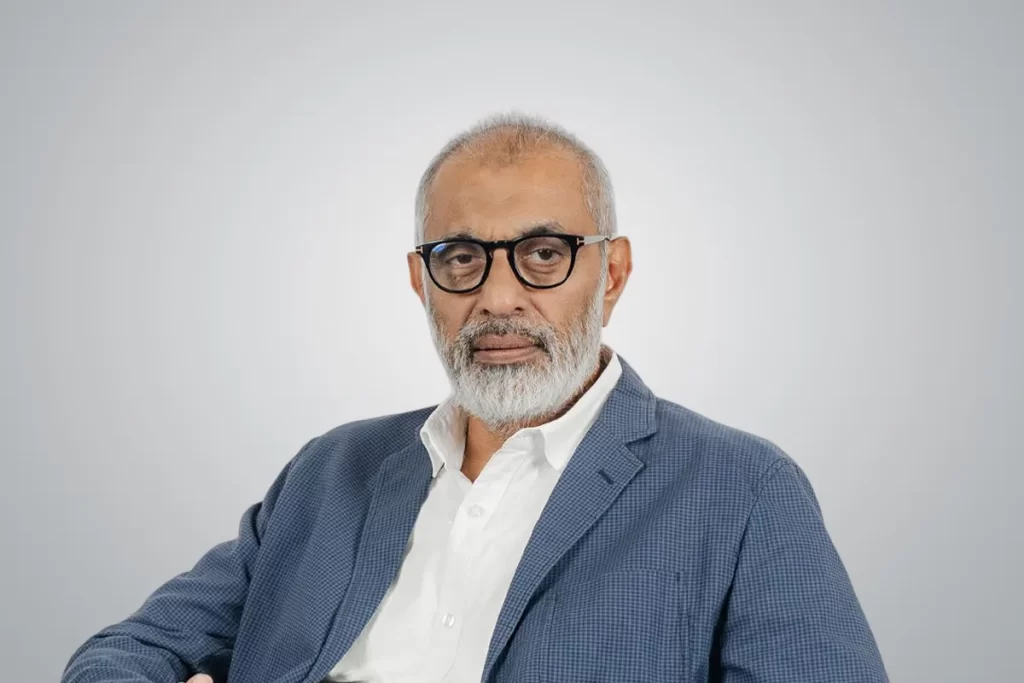
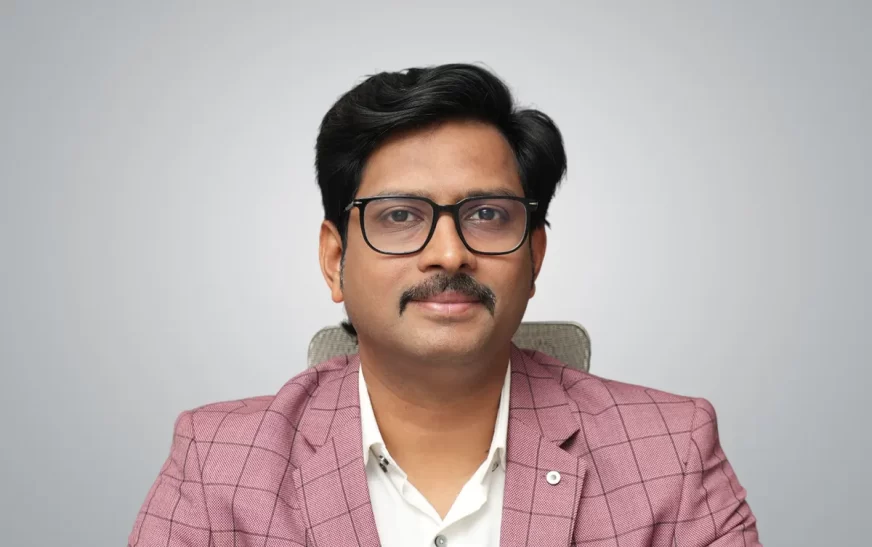
Rifkhan Siddeek
Founder & CEO
SL Mobility Pvt. Ltd.
The Visionary Powering Sri Lanka's Mobility Transformation
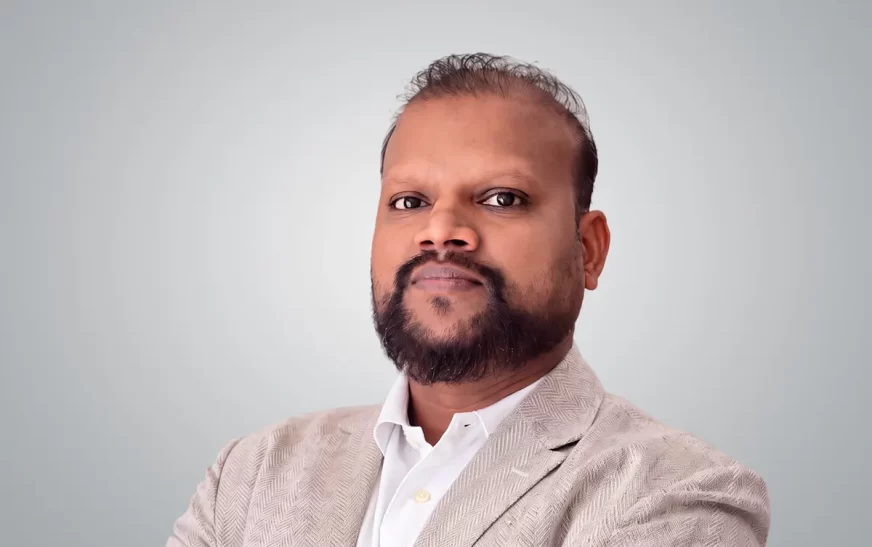
Rifkhan Siddeek
Founder & CEO
SL Mobility Pvt. Ltd.
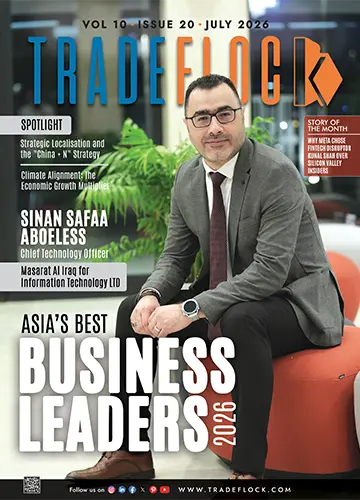
Rifkhan Siddeek-Asia's Best Business Leaders 2026
Across emerging industries, transformative leaders are often those willing to invest in possibilities long before they become mainstream. Rifkhan Siddeek has spent the better part of a decade doing exactly that. As CEO and managing director of SL Mobility (Pvt) Ltd, he has positioned himself among the key voices shaping the future of mobility in Sri Lanka, championing innovation in a sector undergoing rapid global change.
Under his leadership, SL Mobility has evolved into a forward-looking enterprise focused on creating scalable, technology-driven transportation solutions for a new generation of consumers. His ability to combine entrepreneurial vision with disciplined execution has enabled the company to navigate a complex and evolving market while remaining focused on long-term value creation.
Beyond business growth, Rifkhan’s leadership is defined by a commitment to building sustainable solutions that deliver tangible economic and social impact. By fostering collaboration across industries and embracing emerging technologies, he continues to push the boundaries of what is possible in modern mobility.
When TradeFlock spoke with Rifkhan, he reflected on the experiences that shaped his leadership journey, the lessons learned while building a future-focused enterprise, and his outlook on the opportunities that lie ahead for Sri Lanka’s mobility ecosystem.
What inspired your move into electric mobility, and how did you translate that vision into a unique offering?
My inspiration stemmed from attending sustainable development seminars and conferences since 2013, with a turning point during my visit to the Netherlands in 2014. Witnessing the fully electrified Rotterdam port highlighted the potential of electric mobility.
Recognising the high operating costs of three-wheelers in Sri Lanka, I sought to uplift drivers’ lifestyles by introducing cost-saving EV solutions. My vision was channelled into SL Mobility, collaborating with the University of Moratuwa and international partners to create a commercially viable EV ecosystem.
What obstacles did you encounter while building your battery and charging infrastructure capabilities?
I was not a technology expert by background, yet I had to sacrifice both capital and time to immerse myself in future technologies alongside subject specialists. Visiting foreign universities and building the right connections demanded significant investment of resources.
To implement tech-driven businesses, we needed access to the best products and the most advanced knowledge. One of the greatest challenges was creating awareness among low-income communities about the value of these technologies.
Which leadership qualities have been most instrumental to your success?
Visionary thinking, entrepreneurial acuity, and resilience have been key. My ability to build global networks, consult with international experts, and adapt lessons from early EV adopters worldwide has enabled me to drive innovation in Sri Lanka. I believe that my leadership reflects a balance of strategic foresight and operational execution, rooted in my family’s legacy of entrepreneurship.
What steps have you taken to optimise operational efficiency and reduce costs?
SL Mobility perfected its EV and charging technology through years of R&D with academic institutions and industry partners. The company streamlined supply chains with OEMs both locally and abroad, ensuring cost efficiency in assembly operations.
By focusing on two- and three-wheelers, which have the highest operating expenses, SL Mobility directly addressed cost reduction for drivers while ensuring lower maintenance and energy consumption compared to ICE vehicles.
How do you see Sri Lanka's EV landscape evolving, and what role will SL Mobility play?
Sri Lanka holds immense potential for electric mobility, as nearly 40% of total transport expenditure lies within the lower-middle-priced vehicle segment. This market can only be transformed by reducing the high operational costs of internal combustion engine (ICE) vehicles. By offering electric vehicles (EVs) with lower running expenses, we unlock opportunities for widespread adoption.
To address this, we are introducing proprietary EVs tailored for this segment, fully integrated with IoT capabilities and supported by charging infrastructure. By decoupling the battery from the vehicle through Battery-as-a-Service (BaaS) and introducing battery-swapping systems, we make EV ownership significantly more affordable and convenient.
To operate this system, we have developed a front-end APP managed by our back office. Our AI agents deliver real-time insights to riders and drivers, ensuring efficiency, convenience, and confidence in every journey.
Which business leader is your role model, and why?
I draw inspiration from global EV pioneers and sustainable development leaders who have successfully transitioned economies toward renewable energy and electric mobility. Their ability to combine innovation with social impact resonates with my mission to uplift communities while modernising Sri Lanka’s transport infrastructure.