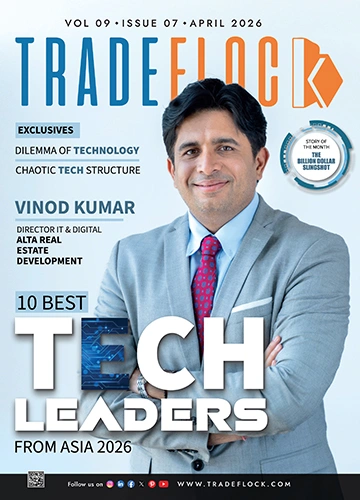
The word Jumla carries two distinct meanings. The one we commonly associate with today refers to grand promises that sound appealing but are rarely delivered. The other, more positive meaning, originates from Urdu where jumla simply means a meaningful line or well-crafted statement.
The value that an IT team brings to a business can fall on either side of this definition, depending on how teams choose to drive outcomes. While some teams promise the moon but struggle with execution, stronger and more effective teams live the positive meaning of jumla by delivering meaningful lines of growth and measurable business value.
So how does one consistently deliver meaningful business impact to fuel growth?
One of the key principles technology teams must embrace is what I call delivering a CxO experience. This is not about organisational titles, but is inspired by the philosophy of Customer Experience Obsession practiced by some of the world’s most successful companies. Teams must constantly “wear the customer’s shoes” thinking deeply about how to create wow moments that delight users. When done well, this naturally builds customer loyalty and advocacy, turning users into promoters of the brand. Importantly, such improvements are not limited to software alone; they can stem from process enhancements, people enablement, and product innovation.
Equally critical is how teams manage the people side of delivery. One of the biggest mistakes many non-IT organisations make is building large in-house technology teams for project execution. This often leads to challenges around skill obsolescence, high turnover, training costs, and operational complexity areas that may not be the organisation’s core strength.
A more effective approach is maintaining a lean, business-savvy technology core team. This team focuses on strategy, architecture, and business alignment, while building extended delivery teams through trusted partners and a flexible pool of gig workers engaged for specific project durations. This model allows organisations to scale efficiently while keeping costs optimal.
Another vital pillar is building a scalable enterprise architecture. Continuously reimagining and modernising the architecture enables faster delivery of customer experience improvements without heavy cost or time overheads. Strong architectural ownership also reduces dependency on external partners and ensures better control over technical outcome.
While our lives are flooded with content on AI, agentic scaffolding, context engineering and emerging technologies enough to fill several chapters on their own, it is important to remember that no meaningful line of business value can be constructed without getting the fundamentals right. Customer obsession, lean delivery models, and scalable architecture can truly build the jumla of positivity and growth one that is meaningful, measurable, and sustainable