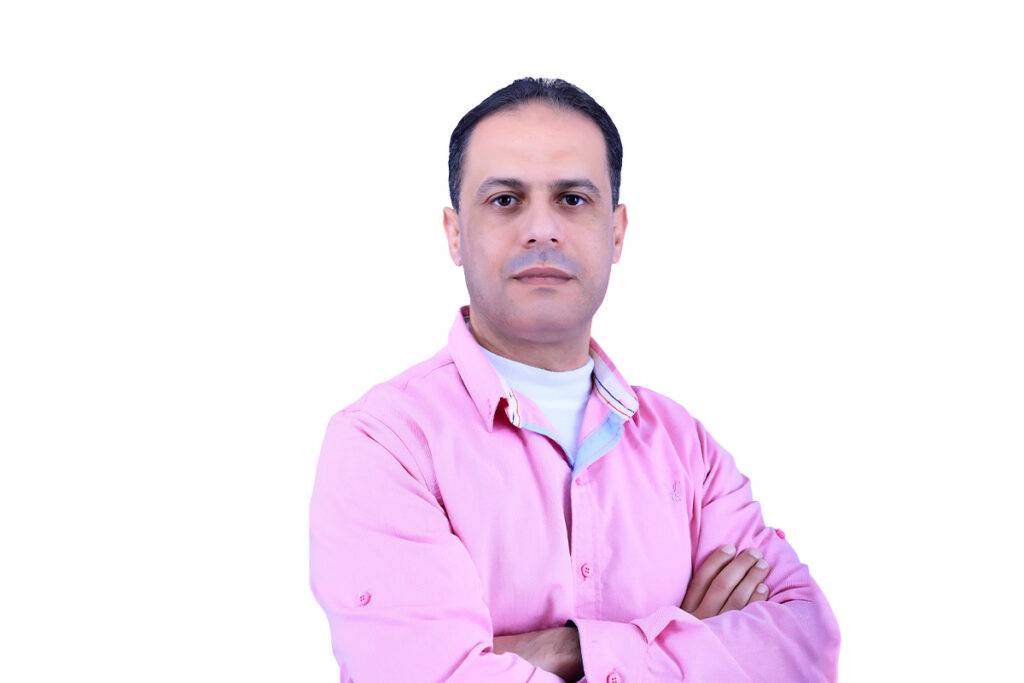
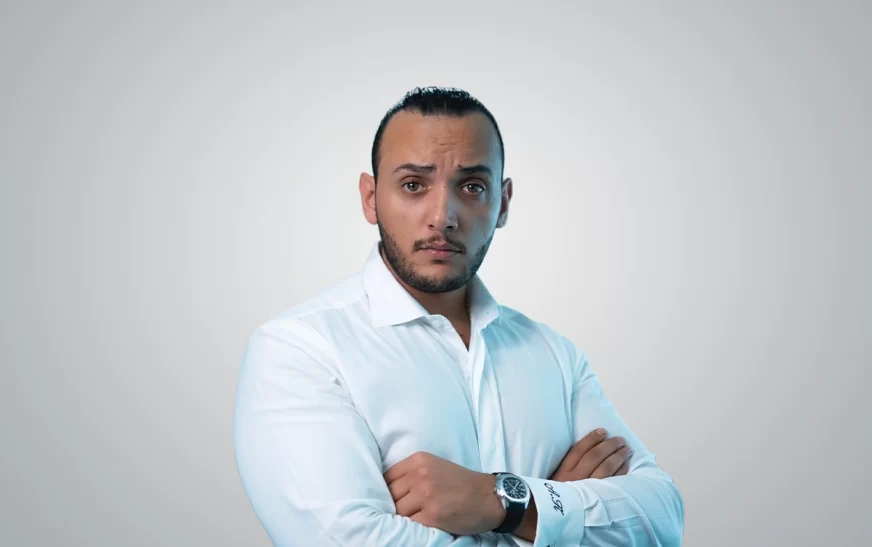
In software, quality is often misunderstood — reduced to a phase, a checklist, or even viewed as a blocker to speed. But in truth, it’s a strategic lever: it protects value, uncovers risk early, and builds lasting trust. Yet many teams struggle to demonstrate their impact, and product leaders often fail to harness their full potential. As the Founder & CEO of WE WILL Technology, a company pioneering quality as a service, Ibrahim Alsharif has dedicated his career to reshaping how quality is perceived, practiced, and integrated. With over 15 years of experience across engineering, product leadership, and strategic QA consulting, he has introduced original frameworks — like the Quality Canvas — that help align quality efforts with business success from day one. He has also mentored the next generation of QA talent through Gaza Sky Geeks, ITC, and PITA. His path, at every turn, has been guided by a single belief:
“QUALITY — IT IS THE IS NOT A PHASE FOUNDATION.”
TradeFlock spoke with Ibrahim to uncover the pivotal moments that have shaped his journey, the challenges he faces, and how he is overcoming them.
What was the shift like from
employee to employer, and what
key milestones shaped that
journey?
Transitioning from employee to founder was a significant mindset shift, from executing tasks to shaping a vision. As a quality engineer, my focus was on fixing gaps; as a business leader, it became about anticipating market needs and making quality a strategic advantage. However, the key turning point was realizing that most teams treat quality as a reactive, rather than a foundational, approach. That insight inspired me to start WE WILL—a company that embeds quality as a growth enabler from MVP to scale. Milestones, such as developing our Quality Canvas, Value-based Plan, and Product Risk Map, helped us drive real transformation, especially in complex technical environments.
What are some of the
biggest challenges you face
as a Founder & CEO?
One of the biggest challenges is striking a balance between ambition and execution, while staying focused on navigating big ideas and making tough decisions. Building a culture of trust and continuous learning is also crucial, particularly in uncertain environments with distributed teams. Leadership, I’ve learned, is less about giving direction and more about creating systems that empower autonomy and clarity. Scaling across diverse markets adds another layer, requiring adaptability without compromising the company’s core identity.
“The core gap
we bridge is
the disconnect
between
technical and
business teams.”
What are your greatest strengths
as a CEO, and how have your past
experiences prepared you?
One of my core strengths is transforming complexity into clarity, connecting details to broader goals, and translating ambiguity into actionable steps. My background as a trainer and framework designer taught me to build scalable, practical tools and communicate effectively across diverse teams. Leading remote, agile teams in unconventional settings also shaped my approach, which is grounded in realism, empathy, and flexibility — all essential for navigating fast-changing tech environments.
What inspired you to start
WE WILL Technology, and what
gaps are you addressing?
It all began with a simple question: Why do good products fail? The answer often wasn’t the idea or the code — it was the absence of a structured approach to readiness. That insight led me to start WE WILL Technology. We don’t just test software — we test whether a product is truly ready for success. Our mission is to reposition quality from a checklist to a strategic tool that guides product direction. The core gap we bridge is the disconnect between technical and business teams. By creating a shared language, we align user experience, business goals, and technical realities through practical, testable methods.
What qualities do you seek when
building your core team?
I look for people who think in systems, not just tasks, and most importantly, those who ask the right questions before jumping to solutions. At WE WILL, we’re not a traditional task-driven team. We need analytical thinkers with intellectual honesty, curiosity, and the humility to say “I don’t know” when it counts. Joining us means being more than a tester — it means becoming a strategic partner in shaping how quality drives both product and business outcomes.
What are your personal and
professional goals for the next
five years?
Professionally, I’m focused on making WE WILL the go-to partner for startups that want sustainable growth through intentional quality, not just speed. We’re building digital tools and refining our advisory models to help teams design for quality from the outset. On the personal front, I’m launching a strategic quality leadership program tailored for Arabicspeaking QA professionals, with a focus on systems thinking and long-term product health. I also plan to write a book that captures our journey and frameworks — a practical guide for anyone building with a quality-first mindset.