Encouraging and Empowering People For A Change
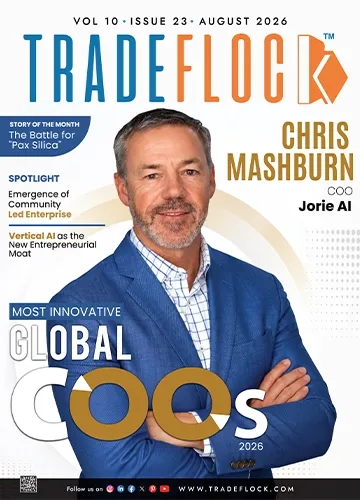
Chris Mashburn
COO
Jorie AI
Encouraging and Empowering People For A Change
Chris Mashburn
COO
Jorie AI
Chris Mashburn-Most Innovative Global COOs 2026
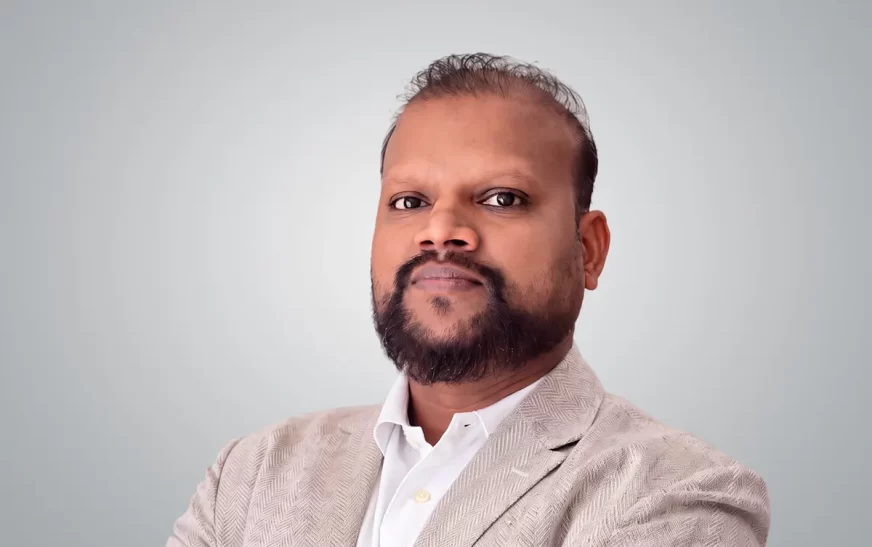
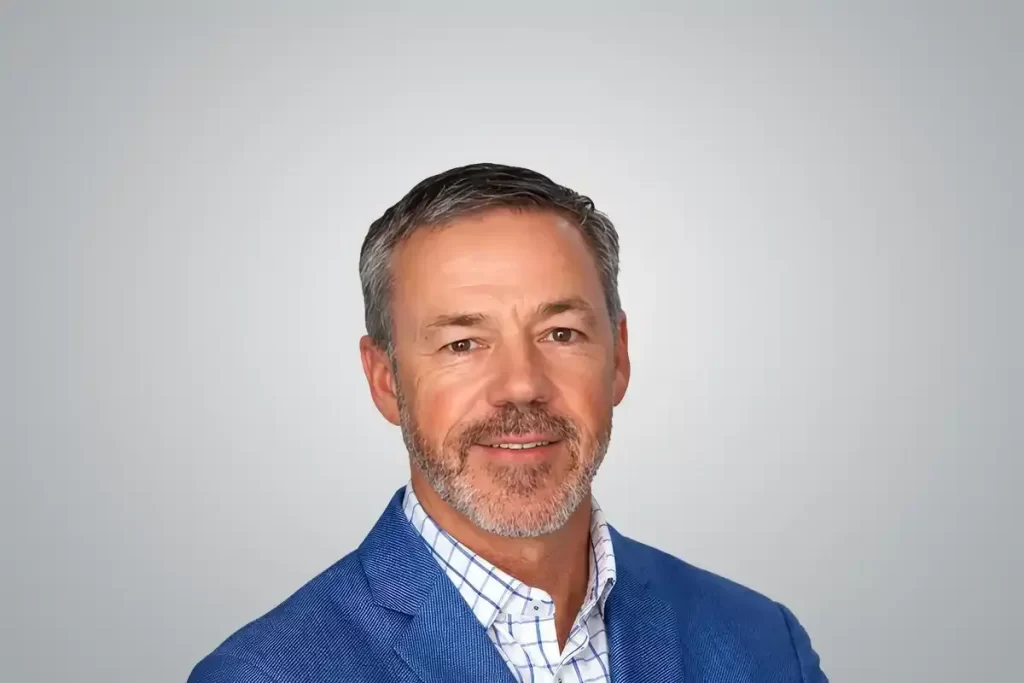
Some responsibilities never really leave a person. They simply find a different way to serve. Chris Mashburn has spent much of his professional life protecting people, first on highways as a Texas State Trooper, later safeguarding public leaders, and then building businesses where trust, preparation, and sound judgement determined success. Today, as Chief Operating Officer of Jorie AI, the mission looks different, but the instinct remains remarkably familiar. Artificial intelligence may be transforming healthcare, yet every meaningful conversation still begins with people, not technology. Confidence has to be earned before change can be embraced, especially when uncertainty is part of the equation. Years spent making critical decisions under pressure have shaped the way Chris approaches that challenge. Every chapter of his career, from law enforcement and entrepreneurship to healthcare innovation, has reinforced the belief that leadership is less about directing people and more about preparing them for what lies ahead. In this conversation with TradeFlock Magazine, Chris Mashburn shared his views on leadership, entrepreneurship, AI adoption, and why the most enduring form of protection is helping people face change with confidence rather than fear.
Your career has taken you from law enforcement to AI-led healthcare. Looking back, what prepared you most for that transition?
People ask me that quite often because law enforcement and healthcare technology seem like two completely different worlds. Looking back, I understand why it appears that way, but I never really experienced it as two separate careers. One naturally prepared me for the next.
Joining the Texas Highway Patrol had been a goal since my college days. Every shift taught me something beyond policing. Good judgement had to become second nature because situations changed in seconds, and waiting too long to make a decision usually wasn’t an option. Serving on President Bush’s protection detail reinforced the same discipline. Every assignment demanded preparation, attention to detail, and the ability to stay calm under the highest pressure.
Moving into business happened almost by accident. I started a security company and, somewhere along the way, realised that the management training I had received in law enforcement was exceptional preparation for running an organisation. Leading teams, solving problems, and making decisions under pressure all felt familiar. Selling that business eventually led me into healthcare, but every stage has been connected by the same responsibility: helping people solve difficult problems with confidence.
Healthcare is embracing AI rapidly. What do you think the industry still misunderstands?
The biggest misconception I continue to see isn’t really about AI. It’s about what people believe AI will do to them.
When we first introduced AI into healthcare, I was excited by the possibilities. Hospital executives and revenue cycle professionals were thinking about something entirely different. Many were worried the technology would eventually replace their jobs or make years of experience less valuable. Listening to those conversations changed the way I approached every discussion after that.
Technology demonstrations became less important than honest conversations. People wanted to understand where AI would help, where human judgement would still matter, and how their own roles would evolve. Once those questions were answered, the resistance usually disappeared because AI wasn’t replacing expertise. AI was removing repetitive work, improving decision-making, and giving healthcare professionals more time to focus on patients. Education has become every bit as important as innovation because understanding always comes before adoption.
Some decisions stay with you forever. Can you share one such decision and how did it shape you?
Looking back, the hardest decisions I’ve made have never been about business strategy. Numbers eventually find an answer. Decisions involving people stay with you much longer because every choice affects someone’s family, career, and future.
Leading organisations taught me that avoiding difficult conversations rarely makes them easier. People deserve honesty, even when the message isn’t the one they were hoping to hear. I’ve always believed difficult decisions should be made with transparency, respect, and as much empathy as the situation allows. Once people understand why a decision has been made, they may not always agree with it, but they usually appreciate being treated with honesty.
Experience has also taught me something else. Waiting for perfect information often means missing the moment to act. Leadership requires good judgement, gathering the best available information, and accepting responsibility for the outcome. Every decision becomes another opportunity to learn, improve, and lead better the next time.
Many people dream of entrepreneurship. What should they understand first?
Starting a business is exciting because every entrepreneur begins with optimism. Keeping that business alive requires something much less glamorous. It demands resilience, patience, and a family willing to make sacrifices alongside you.
Looking back, I don’t think entrepreneurs succeed on determination alone. My wife supported every stage of that journey, even during the uncertain periods when success was anything but guaranteed. Building a company affects everyone around you, not just the person whose name appears on the incorporation papers. Family becomes part of the business, whether they intended to or not.
Young entrepreneurs sometimes focus entirely on funding, technology, or growth. Every one of those things matters, but none of them replaces perseverance. Business will test your confidence over and over again. Staying committed through those moments often makes the difference between an idea that disappears and a company that continues to grow years later.
Building successful companies changes every leader. What changed the most for you along the way?
Starting a business teaches humility very quickly. Every entrepreneur begins with an idea, but building a company has far more to do with people than ideas. I learned that lesson as our aviation business expanded after 9/11. Growth created opportunities, but it also made one thing very clear. Trying to make every important decision myself simply wasn’t sustainable.
Building the right team became far more important than trying to be the person with all the answers. Strong people don’t just execute instructions. Strong people challenge assumptions, bring different perspectives, and often see opportunities that leaders miss. Some of the best decisions we made came from conversations where someone around the table disagreed with me, and I’m grateful those conversations happened.
Working alongside people for years changes relationships, too. Shared challenges have a way of bringing people together, and many colleagues eventually become close friends. Looking after those relationships has always mattered because successful organisations are built by people who trust one another long before they celebrate success together.
How do you think leading AI adoption has changed your leadership?
Leading AI initiatives has probably taught me more about people than technology. Early in that journey, I believed the technology would speak for itself. Experience quickly proved otherwise.
Every organisation I worked with wanted to understand something much more personal before looking at dashboards or demonstrations. Employees wanted to know how their work would change. Managers wanted to understand how their teams would adapt. Executives wanted confidence that the organisation was moving in the right direction without leaving people behind. Those conversations couldn’t be rushed because trust develops through understanding, not presentations.
Technology continues to evolve at an incredible pace, and leaders have far less time to make decisions than they did a few years ago. Staying curious has become essential, but listening has become equally important. Every successful AI initiative I’ve been part of has started with people feeling informed, included, and prepared for the change ahead. Everything else becomes much easier once that foundation is in place.
“Every chapter of my career has been about protecting people. Only the way I serve them has changed.”
Future leaders will inherit a different world. What advice would you give them that they should never lose?
Every generation believes the next one will face greater change, but I genuinely think young professionals entering the workforce today are experiencing something different. Technology is evolving faster than at any other period I’ve seen, and AI is accelerating that pace even further. Learning can’t stop once someone graduates or settles into a role because the industry won’t stand still.
Technical knowledge will always matter, but character matters just as much. Curiosity keeps people learning. Humility keeps them listening. Integrity earns trust long before titles ever do. Looking back across my own career, those qualities opened more doors than any certification or technical skill.
Young leaders also shouldn’t feel pressured to have every answer. Building the right team, asking thoughtful questions, and being willing to learn from people around you will always create stronger organisations than trying to prove you’re the smartest person in the room.
Looking back, how would you like your career to be remembered?
Titles eventually change. Companies are built, sold, and sometimes forgotten. Looking back across my own career, none of those things feels as important as the people whose lives I’ve had the opportunity to influence along the way.
Law enforcement gave me the privilege of protecting people. Business allowed me to create opportunities for people. Healthcare has given me another opportunity to help people, this time by improving the way organisations care for patients through technology. Every chapter has looked different, but the purpose has felt remarkably consistent.
Success, at least for me, has never been measured by position or recognition. Seeing someone grow into a leader, watching an organisation become stronger because people believed in one another, or knowing that technology helped improve patient care leaves a much deeper sense of fulfilment. If people remember me as someone who tried to make a positive difference wherever I served, I would consider that a career well spent.
“Titles come and go. The impact you leave on people's lives is what stays.”
All Magazines -



Success Insights
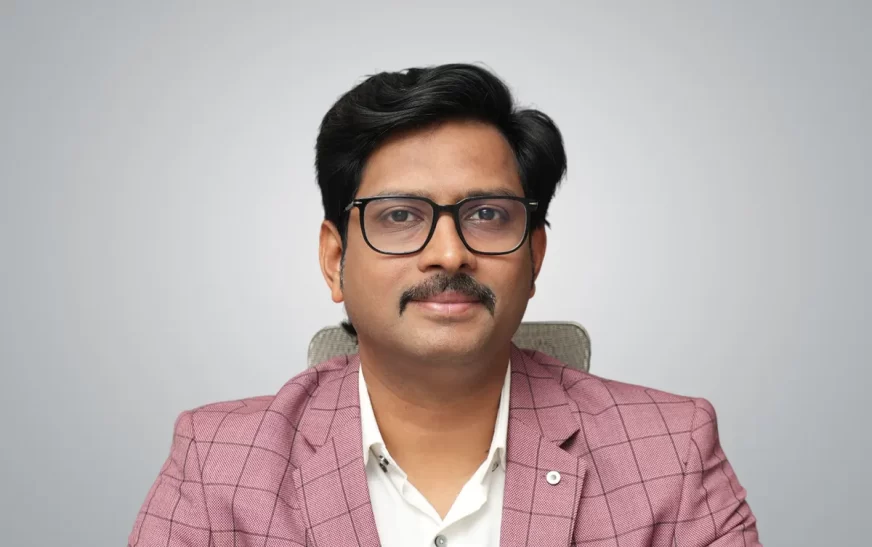
Ravindranath Garaga-Best CXOs in Asia 2026
Dr Tharindu Samarajeewa-Asia’s 40 Under 40 2026