Tradeflock Asia

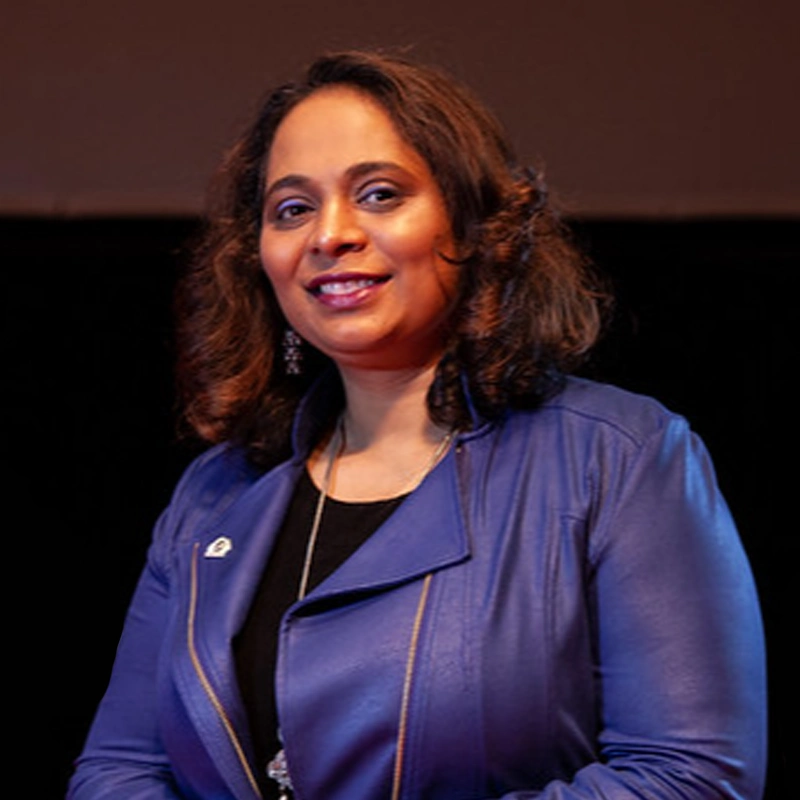
Chaitra Vedullapalli   

Co-Founder, Women in Cloud

Chaitra is a globally recognised strategic leader, innovator, and board advisor with over 25 years of experience driving billion-dollar GTM growth and digital transformation at Microsoft and Oracle. She has unlocked $500M in economic access for women entrepreneurs worldwide, with a goal of reaching $1B by 2030. A patent holder, global keynote speaker, and author, she specialises in ecosystem growth, AI, IoT, SaaS, and cybersecurity, integrating innovation, inclusion, and impact to foster sustainable global success.


A few years ago, I joined a couple of boards going through a massive digital transformation.

To add value to board work, I attended one of the board readiness events and heard one of the CEO’s sharing their story and said: “We need a board that can help us modernize everything but we also need to be careful about what we dismantle.”

That moment stuck with me. Because it captured something many organizations overlook: Digital governance isn’t just about building the future. It’s also about gracefully letting go of the past.

This is the new reality of board leadership—what I call the dual mandate:

  • Build modern infrastructure and new business models
  • Shut down outdated systems and value chains

Both are critical. Both require thoughtful execution. But here’s the truth: each mandate demands different mindsets, skill sets, and governance approaches.

Yet when companies recruit board members or executive advisors, most still default to focusing on representation optics not on who can effectively lead across both mandates.

The result? Boards filled with impressive individuals—but not always the right mix of readiness.

To build the future, you need people fluent in AI, cloud, cybersecurity, and go-to-market reinvention.

To sunset the past, you need people skilled in risk management, fiscal efficiency, compliance, and operational transitions. And to do both simultaneously—you need leaders who can navigate ambiguity, prioritize wisely, and execute with excellence.

In today’s fast-moving economy, success often hinges on how well your board can balance:

  • Vision with pragmatism
  • Speed with risk tolerance
  • Growth with efficiency
  • Innovation with stability

This is where diverse governance plays a strategic role not just in identity, but in lived experience and decision-making patterns.

What I was able to contribute as a GTM leader with a strong technology background I was able to help them realign governance around the dual mandate adding operational, financial, and experience-driven advisors the transformation stabilized. Innovation didn’t just accelerate. It matured. That’s the outcome we all want.

So if you’re in a position of influence say founder, investor, board chair, executive—ask yourself:

  • Do we have the governance capacity to build boldly and let go wisely?
  • Are we recruiting for representation or for readiness?

Modern infrastructure, AI, and platform ecosystems are not just projects. They are shifts in how companies operate, grow, and govern.

Let’s ensure we’re putting the right people at the table, those who are equipped to lead the full lifecycle of transformation.

That’s how we must future-proof our board and organizations. And that’s how we build boardrooms that matter.