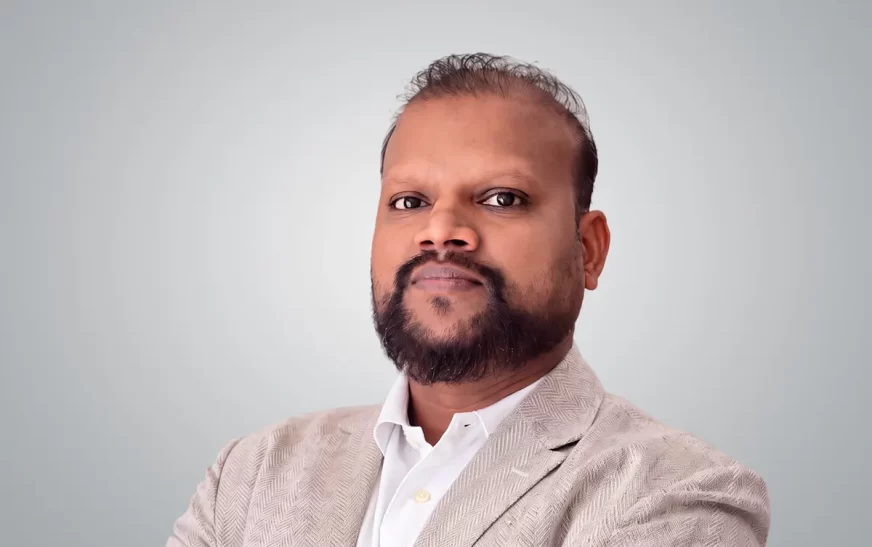
Shaping the Future of Work Through Human-Centred Leadership
Annie Caw
Chief Human Resource Officer of a Leading Bank in the Philippines


Shaping the Future of Work Through Human-Centred Leadership
Annie Caw
Chief Human Resource Officer of a Leading Bank in the Philippines
Annie Caw-Best HR Leaders from Asia 2026
Technology has transformed banking more than once during Annie Caw’s career, but every wave of change has reinforced one enduring lesson: organisations succeed when they invest in their people. Over nearly three decades in banking, Annie has witnessed the industry evolve from branch-led operations to digital banking and now the rise of artificial intelligence. Through every transition, she has seen technology reshape the workplace while reaffirming that people remain at the heart of lasting success.
When speaking with TradeFlock, Annie, Chief Human Resources Officer with a leading bank in the Philippines, reflected on how these shifts transformed her own approach to leadership. She believes HR is far more than a people function. It is a strategic business partner that helps organisations build capable leaders, strengthen culture, and prepare for the future.
This philosophy has guided her focus on developing leadership pipelines, aligning people strategies with business priorities, and creating workplaces where employees can thrive. As banking continues to evolve, Annie believes technology will unlock new opportunities, but human judgement, adaptability, and leadership will remain the defining drivers of sustainable success.
Having worked in both the private and public sectors, what key HR lessons have you carried from each?
Having worked in both the public and private sectors, I have come to realise that while their operating environments differ, both share the same objective: enabling people to work towards a common purpose. The private sector thrives on speed, innovation, accountability, and measurable outcomes, while the public sector places greater emphasis on governance, inclusivity, transparency, and long-term impact.
My experience in government taught me the importance of patience, stakeholder management, and building systems that endure beyond individual leaders. The private sector, meanwhile, strengthened my focus on agility, execution, and translating strategy into results. Together, these experiences reinforced one lesson that lasting success depends on trust and the willingness of people to embrace change.
As a CHRO, I strive to bring together the strengths of both worlds by balancing agility with sustainability, accountability with empathy, and performance with people development. I encourage leaders to build strong teams, develop future successors, and leave behind organisations that are stronger, more resilient, and better prepared for the future.
As AI reshapes the workplace, how do you keep employees engaged?
As AI takes on more routine and transactional work, workforce engagement becomes even more important. Technology should be viewed as an enabler that allows people to focus on work requiring judgement, creativity, collaboration, and problem-solving, rather than as a replacement for human capability. At the same time, employees must continue to understand the business, customers, and processes behind the technology.
As an HR leader, my focus is not only on technology adoption but also on helping people grow alongside it. We invest in developing critical thinking, business acumen, adaptability, leadership, and collaboration to prepare employees for evolving roles.
Equally important is creating a workplace where people feel valued, heard, and connected to the organisation’s purpose. Technology may transform how work is done, but people remain central to lasting success.
How is the role of HR evolving, and what will define future HR leaders?
HR is no longer defined by the quality of programmes or policies it creates. The most impactful HR teams today understand that people strategy is business strategy. Their role is to shape the future of organisations by developing stronger leaders, building resilience, strengthening culture, and influencing critical business decisions.
The future of HR belongs to leaders who are willing to move beyond traditional boundaries, not to seek a larger role but to create greater value. Ultimately, HR’s impact will be measured by the decisions it influences, the leaders it develops, and the organisations it helps build for the future.
What skills do employees need to succeed today, and how are your learning programmes helping them develop?
Having spent a significant part of my career in learning, leadership development, and talent management, I believe adaptability is the most valuable skill employees can develop today. While technical knowledge will continue to evolve, the ability to learn, unlearn, and relearn will remain essential, alongside critical thinking, collaboration, communication, resilience, emotional intelligence, and sound judgement.
That conviction shapes every policy, process, and development initiative I lead. Learning must be relevant, aligned to business priorities, and grounded in real challenges that people face every day.
At its core, leadership development is about building skills and helping people become the kind of leaders others want to follow. The true measure of learning is who they come through the process: more confident, resilient and better prepared to lead with purpose.
Beyond technical expertise, we develop leaders who can coach, build trust, and create environments where people feel supported to grow. Ultimately, effective learning is about building confidence, strengthening character, and preparing people to lead with purpose in a changing business environment.
Can you share a major organisational challenge you faced and the lasting impact of your approach?
One of the most complex organisational challenges I have faced throughout my career has been leading change in organisations that were already successful. The greatest barrier was rarely capability; it was the comfort of established ways of thinking and working. When familiar approaches have delivered results for years, driving transformation requires shifting mindsets, not just introducing new systems or processes.
During periods of change, I often found that waiting for certainty could become the biggest risk. I have always encouraged teams to view failure as part of learning, because innovation requires experimentation, reflection, and the willingness to improve.
This philosophy has shaped my approach to leadership development, succession planning, and organisational culture. By encouraging openness, continuous learning, and shared accountability, we have built stronger, more resilient organisations where leadership can thrive beyond individuals.
All Magazines -


Success Insights
Ravindranath Garaga-Best CXOs in Asia 2026
Dr Tharindu Samarajeewa-Asia’s 40 Under 40 2026