Reclaiming the Inner World We Often Neglect
Anne-Marie Charest
Founder
innerU
Reclaiming the Inner World We Often Neglect
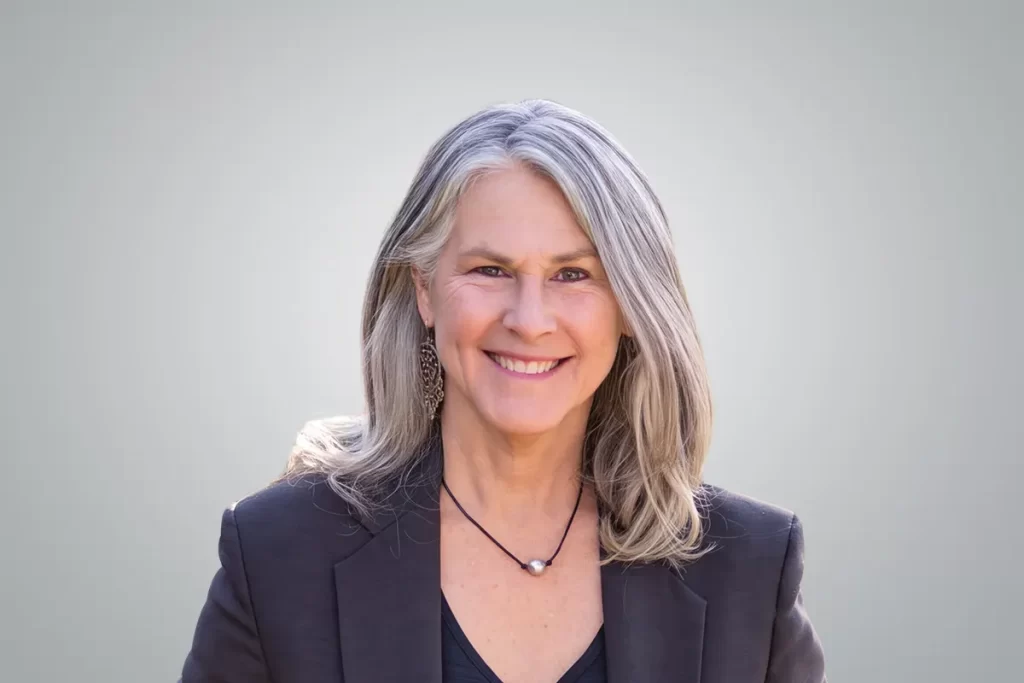
Anne-Marie Charest
Founder
innerU
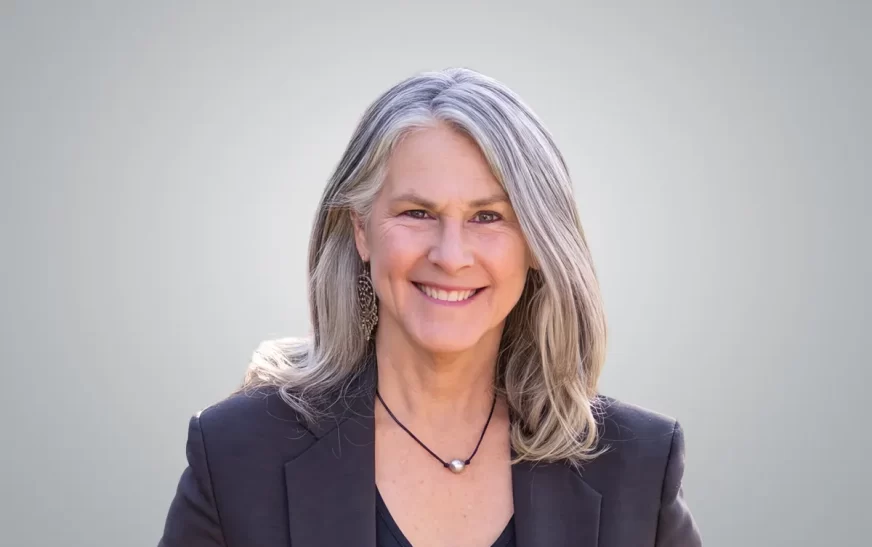
Anne-Marie Charest-Most Empowering Women Leaders to Watch in 2026
In a culture obsessed with moving faster, perhaps the more important question is whether we have become too disconnected from the inner world that truly guides our awareness and destiny. Anne-Marie Charest has built her work around that question, bringing together somatic and transpersonal psychology, mindfulness, earth-based spirituality, and Indigenous wisdom to help people reconnect with themselves and all of life. As Founder of innerU, she has spent more than a decade developing approaches that bridge the mind and heart, drawing on neuroscience and mindfulness research alongside embodied and nature-based practices. Her work as a psychotherapist, educator and facilitator spans individuals, families, children and teens, with a focus on transforming fear and anger into greater awareness, strength and love. In this conversation, Anne-Marie explores why lasting change begins within and how reconnecting with nature can reshape the way we live.
When did you begin questioning the way you had learned to succeed?
Leaders cannot spend their entire lives using the same definition of success. At 38, I began to feel that something in me was asking a question I could no longer outrun: where was the feminine within me, and what would it mean to return home to her? Much of my adult life had been spent in predominantly masculine environments where achievement, competition, independence and striving for more were rewarded. I had become very good at doing, but I had not really stopped to ask who I truly was beneath all of that.
A journey to Africa became a profound turning point. A Sangoma I worked with told me that I, too, was a healer, a medicine woman. I did not yet understand what those words would mean, but something had shifted. Looking back, I began to see how much of my striving was also connected to an unconscious longing to be closer to my father, entering similar professional worlds and repeating familiar patterns as a way of feeling connected. The decade that followed taught me to look inward, question inherited patterns and discover what it meant to stand in my own power, not by becoming harder, but by becoming more fully myself and softer.
Where does lasting transformation actually begin?
I have come to understand that healing rarely happens by simply trying to change the behaviour we dislike. We may know we want to stop overworking, worrying, pleasing others, controlling situations or repeating unhealthy relationships, but the behaviour is often protecting something much deeper.
A more useful question may be, “What is this pattern trying to protect, and where did I learn that I needed it?” Once we become curious about what is happening beneath the story, we begin noticing the tightening in the body, the impulse to withdraw, the need to control or the fear beneath anger. Mindfulness and somatic awareness create enough stillness to listen rather than immediately react, judge or change those responses.
Nature has been especially powerful in this work because it does not demand that we heal faster. It reminds us that transformation has its own rhythm. Lasting change is not about becoming someone different. It is about becoming conscious and aware of what no longer serves us and reconnecting with what is most authentic within us.
How did your personal awakening become something you could offer others?
Somewhere between the wisdom I was receiving and the science I was learning, I began wondering what might happen if children were given these tools much earlier in life. What if they could learn to notice their emotions, bodies, breath and inner worlds before the patterns of adulthood became so deeply established? That question eventually became innerU. I developed a nature-based mindfulness curriculum designed to make these ideas playful, accessible and connected to the living world through curiosity, imagination, movement, animals and oceans.
In many ways, innerU became the education I wished I had received as a child. The work has since allowed me to share mindfulness-based approaches with teachers and facilitators across the United States, but its foundation remains unchanged: human well-being cannot be entirely separated from our relationship with the natural world. The journey also changed how I understand my own role. I no longer see my work simply as teaching or therapy. It feels more like creating spaces where people can remember something they already carry deeper within themselves.
What did nature teach you that achievement could not?
The answer came gradually through the elders and traditional wisdom keepers I was fortunate enough to encounter across different cultures. Over nearly ten years, one of the most transformative lessons they gave me was remarkably simple: return to nature.
Nature stopped being a beautiful backdrop to life and became a teacher, a mirror and a place of belonging. I learned to listen differently. There are seasons of growth and seasons of letting go, periods when very little appears to be happening while tremendous change is taking place underneath. The natural world does not apologise for winter or question its worth when it is no longer producing fruit. That perspective challenged the values I had absorbed around productivity, speed, competition and the relentless pursuit of more. Those qualities are not inherently unhealthy, but without rest, receptivity, contemplation, relationship and connection to nature, we can pay an environmental, psychological and physiological price.
Eventually, my elders encouraged me to return to school and understand the science behind what I had been experiencing. My studies in somatic and transpersonal psychology, culminating in my doctoral degree in 2016, gave me another language for those experiences. Science and ancient wisdom did not need to compete. They could inform one another.
What does leading with courage and compassion look like without losing yourself?
My own practice has changed considerably over the years. There was a time when I meditated for two hours a day and became deeply focused on understanding my emotional landscape. Eventually, meditation became less something I did and more a way in which I live.
I now think of it as a living meditation. It can happen while I am walking, working, listening to someone, spending time in nature or simply noticing when I have moved out of alignment. The deeper evolution has been from doing to being, from controlling to receiving, and from seeking stillness to recognising that stillness is already within me. That grounding has changed how I lead and serve. The more present I am with myself, the less I need to impose an outcome on another person. I can listen more deeply, remain curious and allow their experience to unfold.
Women have an extraordinary capacity for caring, nurturing and holding space for others. Yet leadership should not require self-abandonment. Authentic power can emerge from presence rather than force, wisdom rather than control, and compassion rather than self-sacrifice.
“The more conscious you become of your inner world, the more freely you can choose how to live.”
All Magazines -




Success Insights
Gita Poudel-Most Empowering Women Leaders to Watch in 2026