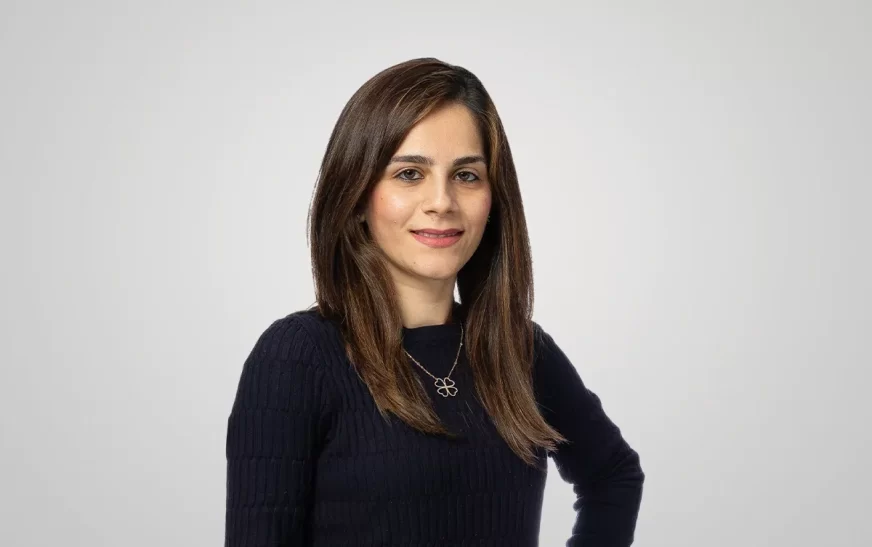
Empowering Teams, Building Lasting Organisational Capability
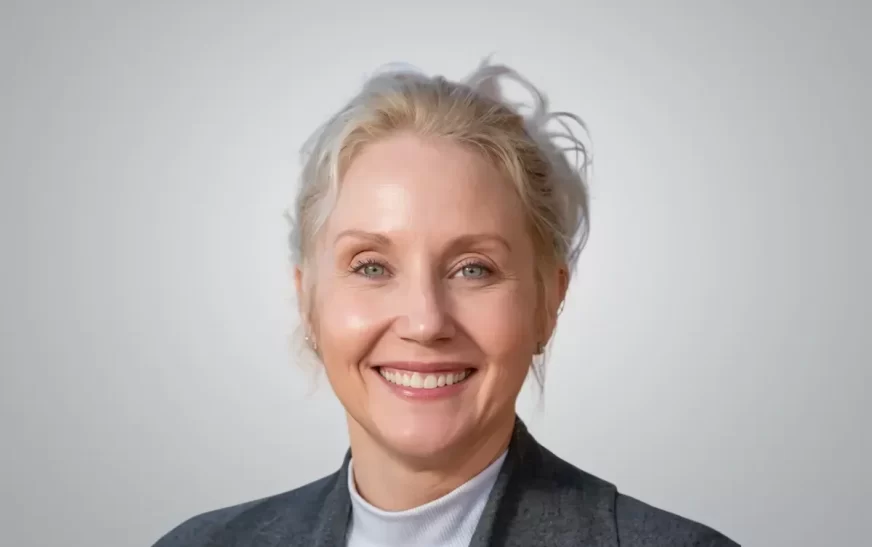
Kurniawan Eka
Founder & Director
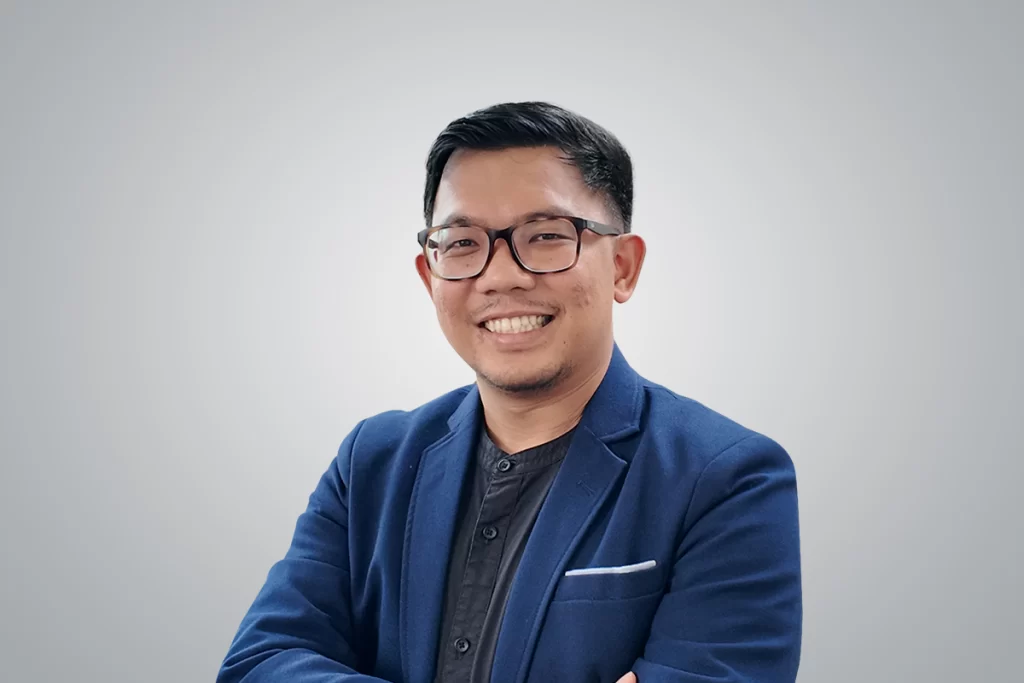

Empowering Teams, Building Lasting Organisational Capability
Kurniawan Eka
Founder & Director
Kurniawan Eka - Asia's 40 Under 40 2025
Execution, not intention, sits at the centre of Kurniawan Eka’s leadership philosophy. As Founder & Director of PT Padma Global Nusatama, he has built his career around addressing one of the most overlooked challenges organisations face: the persistent gap between strategy, people capability, and supporting systems. Many institutions possess ambitious visions, and detailed plans yet struggle to translate them into real operational capability. Training often ends at knowledge transfer, technology is implemented as a standalone project, and management systems are designed more for compliance than for empowerment.
Kurniawan’s approach is deliberate and practical. Through applied competency development, professionals are not only trained, but they are also guided to implement new capabilities directly within their organisations. This process is reinforced with IT-enabled systems that ensure consistency, usability, and traceability, turning abstract frameworks into tangible results.
For him, the ultimate goal is never programme completion but institutional capability building. When people understand their roles, systems genuinely support performance, and technology becomes a practical enabler, organisations do more than change, they evolve. They grow, adapt, and endure in an environment defined by complexity and constant transformation, achieving sustainable impact that outlasts leadership cycles.
What major leadership challenges have shaped your ability to make decisions under pressure?
One of the most significant leadership challenges I have faced is building and leading a business within an environment defined by highly experienced professionals, partially established management systems, and constantly evolving regulations. The challenge extends beyond technical execution—it requires making strategic decisions without being constrained by ego, hierarchy, or inherited ways of working.
From the outset, I have approached cross-disciplinary leadership as a network of connections rather than isolated expertise. I begin with a clear vision, taking a helicopter view to understand how functions, roles, and stakeholders interlink. This allows me to simplify complexity while maintaining clarity and momentum.
In practice, I listen extensively, absorb diverse perspectives, and analyse existing models, synthesising inputs into a coherent understanding grounded in stakeholder needs and expectations. Once the vision is clear, I translate it into structured, measurable steps, setting non-negotiable principles along the way.
Under pressure, this approach has shaped my decision-making style, keeping objectives consistent, remaining agile in execution, and ensuring the organisation continues to progress despite uncertainty. It has reinforced the importance of clarity, adaptability, and focus on leading teams through complexity.
How should leaders evolve to remain effective in the coming decade, and how are you preparing?
In the next decade, leaders must move beyond technical mastery to embrace systems thinking and cross-disciplinary fluency. Success will depend on combining digital literacy, emotional intelligence, and ethical courage to make confident decisions in uncertain environments.
I prepare by observing emerging trends, experimenting with innovative approaches, and remaining actively involved in execution. For me, effective leadership is about seeing the connections between people, technology, and regulation, and translating them into meaningful action. It’s not knowing everything but knowing how everything fits together to create impact.
How do you help organisations balance compliance with sustainable, innovation-friendly systems?
We help organisations transform compliance from a perceived burden into a strategic foundation. The challenge is rarely the regulation itself but managing it in isolation from operations and people development. Our approach embeds compliance into management systems and competency frameworks, translating standards into clear roles, processes, and measurable performance indicators. IT systems reinforce practical, traceable execution, ensuring consistency and accountability.
When compliance becomes an integrated part of daily work, organisations gain clarity, confidence, and stability. Within this structured environment, innovation flourishes—not by circumventing rules, but because well-designed systems provide the guidance and boundaries that allow creativity to thrive.
How do you prioritise between mentoring, tackling major challenges, and fostering innovation?
My guiding question is simple: where can my time create the most meaningful impact? I focus on high-impact problems first, because they set the course for the organisation. Mentoring matters deeply, as investing in people multiplies influence and capability across teams. Innovation and continual improvement are priorities, acting as the lifeblood that keeps organisations vibrant, adaptive, and resilient.
I do not try to do it all myself. Instead, I build strong systems, develop talent, and make decisions designed to function sustainably. Prioritisation, for me, is about channelling energy into the areas that truly matter, ensuring lasting outcomes, empowered teams, and organisational growth that can endure beyond any single initiative.
POWER PROFILE CARD
Age: 33 years
Country: Indonesia
Industry/sector: Professional Services, Universities & Laboratory Competency Development, Compliance & Quality Systems
Awards & recognition: Founder of LSP Edukia, certifying competencies in universities and laboratories, and recognised for contributions in building sustainable competency-based systems across universities and laboratories in Indonesia.
Inspiration/Motivation: I am driven to build competency-based educational and laboratory systems that empower people, strengthen institutions, and create lasting national impact.
Define yourself: Step by step, make it happen.
All Magazines -
Success Insights
Dr. Kelly Waugaman-Most Empowering Women Leaders to Watch in 2026

Roisin Wadding-Best HR Leaders from Asia 2026