








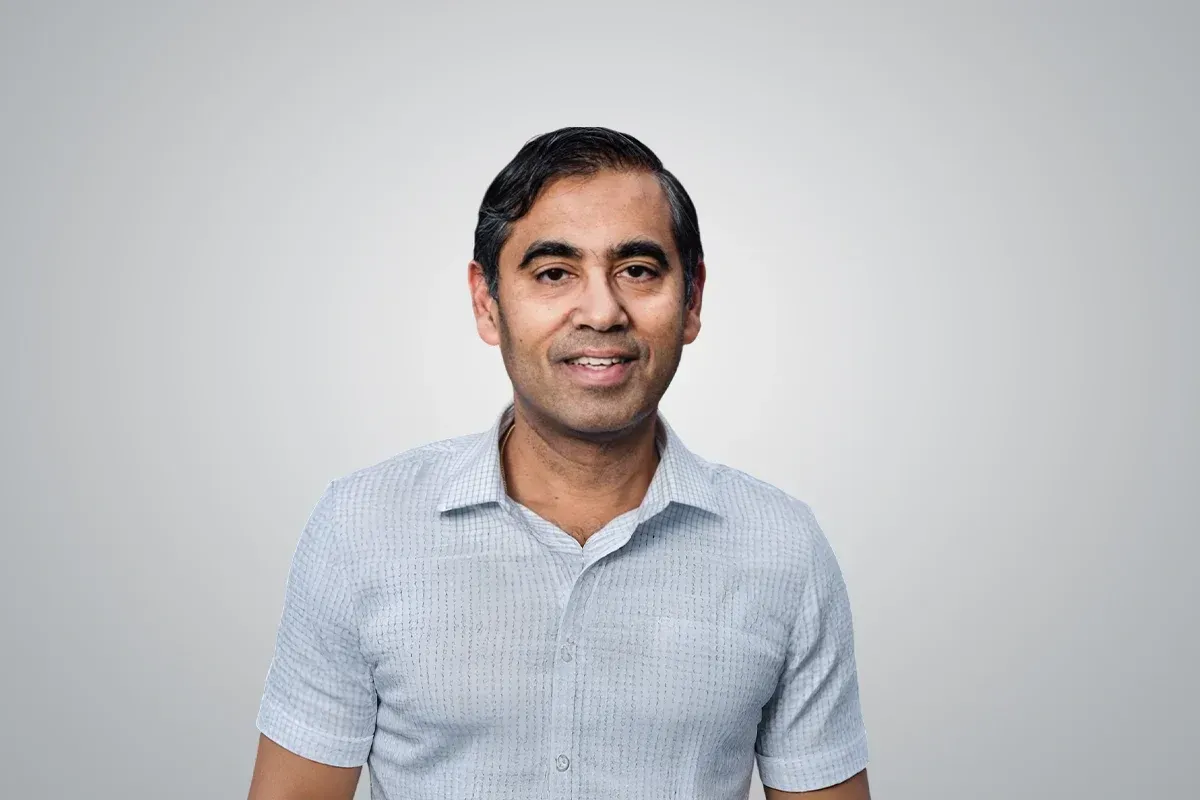

CEO and Co-founder, Eightfold AI
"Ashutosh Garg is the CEO and Co-founder of Eightfold AI, a pioneering Talent Intelligence Platform. An expert in machine learning, he holds over 50 patents and 6,000 research citations. He previously co-founded BloomReach and served as a research scientist at Google and IBM. Garg holds a PhD from UIUC and a B.Tech from IIT Delhi."

What Calm Leaders Actually Do That Anxious Leaders Cannot See
The biggest misconception about leadership under pressure is that the best leaders make decisions fastest. Early in my career, I learned that speed and clarity are not the same thing. In fast-moving companies, urgency is constant, but not every decision benefits from immediate action. The challenge isn’t deciding quickly. It’s knowing which decisions require speed and which improve with time. That’s what calm leadership looks like. It’s not about slowing an organisation. It’s about improving judgment when the stakes are highest.
To me, judgment is knowing what matters, when to act, and which trade-offs to accept when the data is incomplete. Over time, I realised that many leadership mistakes come not from the complexity of the problem itself, but from the discomfort of uncertainty. One question has become an essential discipline for me: Am I solving a real problem, or am I simply relieving my own discomfort with uncertainty? That question helps distinguish between decisions where speed creates learning and those where patience improves judgment. If a decision is reversible, I move quickly because I can learn by acting. If waiting improves the quality of judgment, I slow down.
Under pressure, leaders often reorganise priorities, change direction, or react to every new piece of information. More often than not, slowing down long enough to define the real decision produces a better outcome. Calm leaders create clarity without pretending to have certainty. They return to first principles, define the boundaries of the decision, and give people a framework within which they can act. When people understand what matters, they spend less time revisiting decisions and more time moving forward with confidence.
This matters even more in the AI era. AI can generate more analysis, surface more options, and more information than ever before. What it cannot replace is judgment: knowing what matters, when to act, and which trade-offs are worth accepting when the data is incomplete. As intelligence becomes more abundant, the quality of human judgment will increasingly define the quality of leadership. The best leaders don’t make faster decisions. They improve the quality of judgment across the organisation.